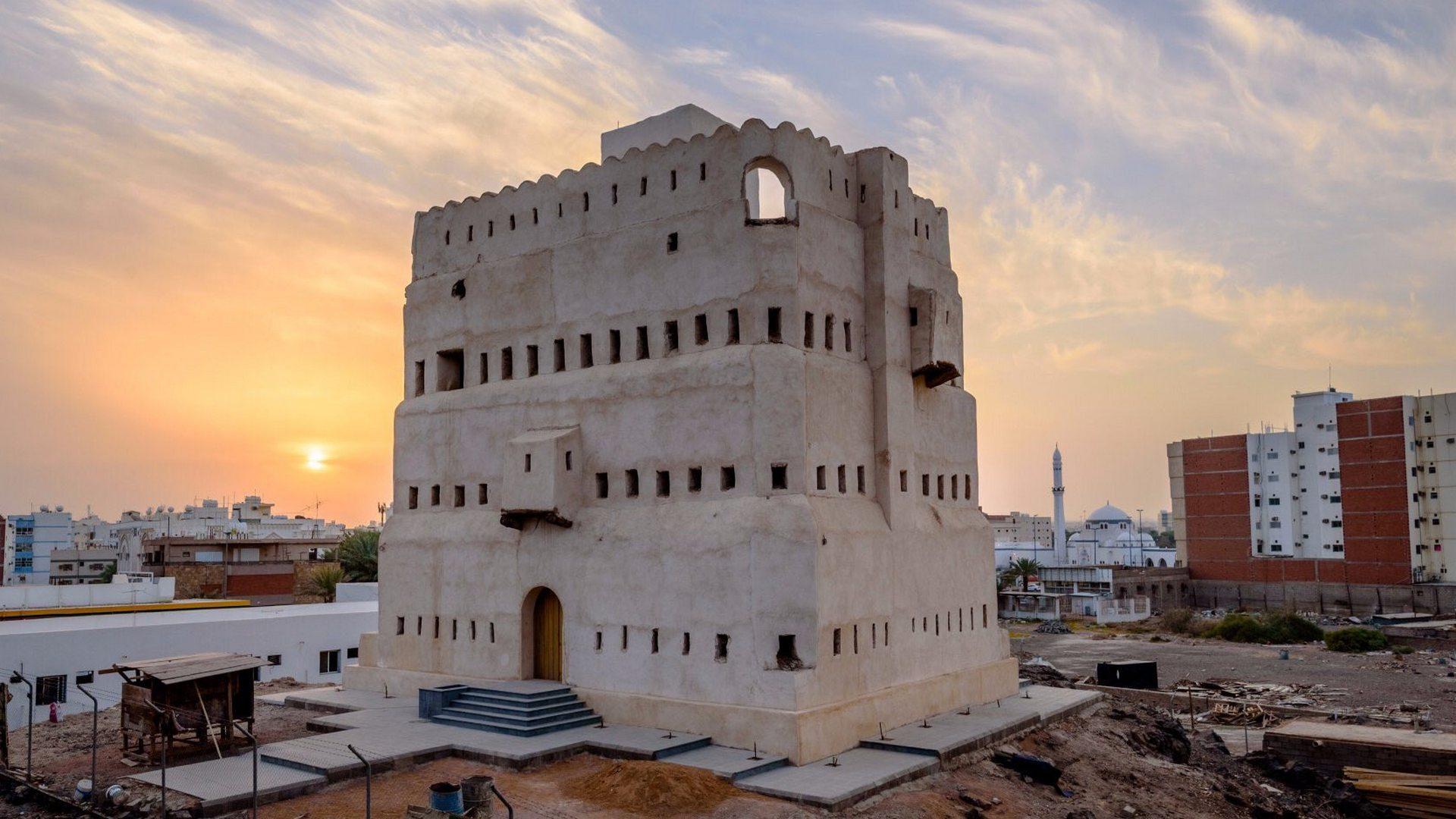
At the Heart of Madinah
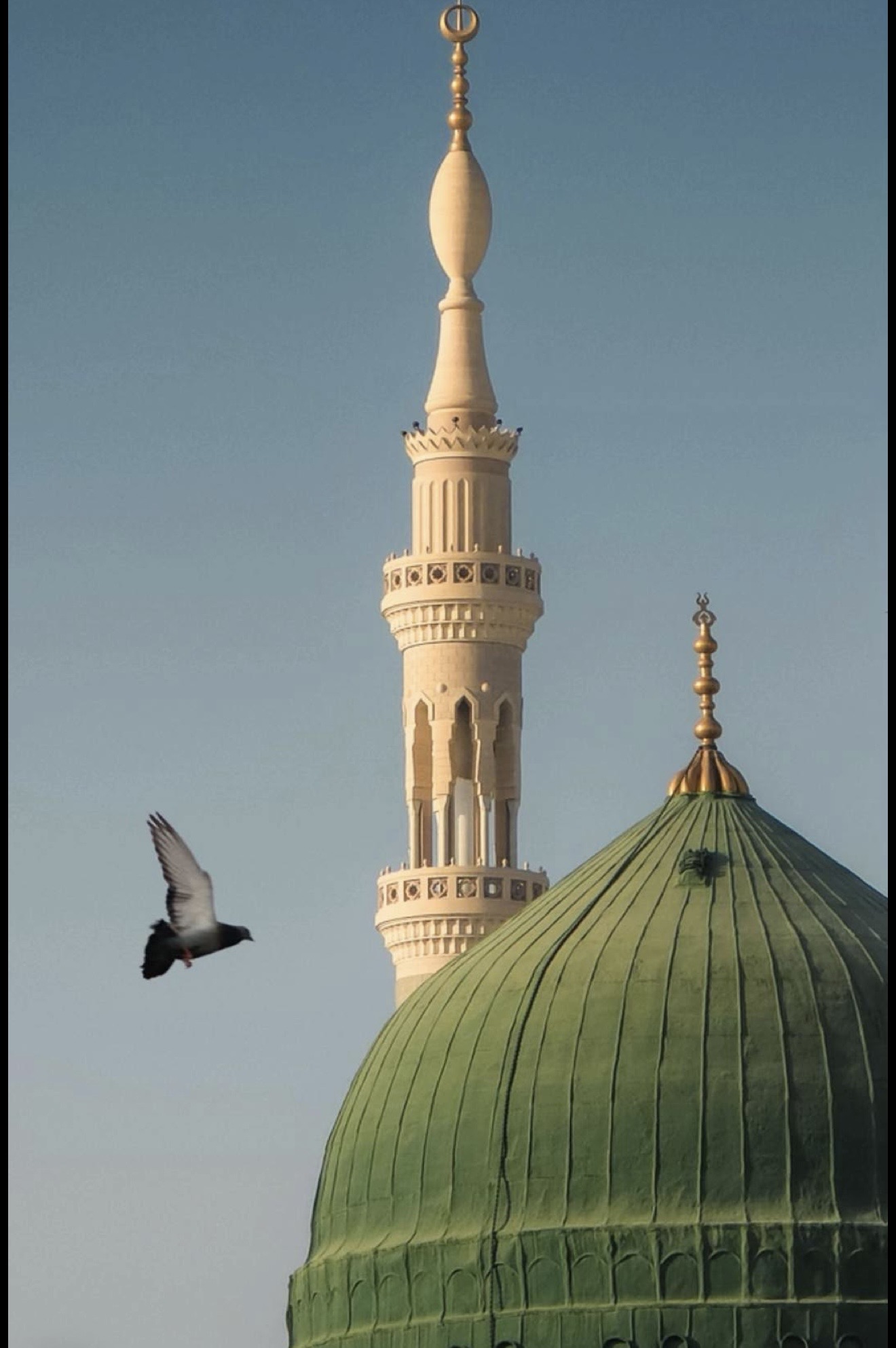
The Prophet’s Mosque
The spiritual heart of Madinah and the Mosque of the Prophet ﷺ, where worship, Prophetic history and the serenity of the city come together.
Places worth visiting — not a tourist directory.
The spiritual heart of Madinah and the Mosque of the Prophet ﷺ, where worship, Prophetic history and the serenity of the city come together.
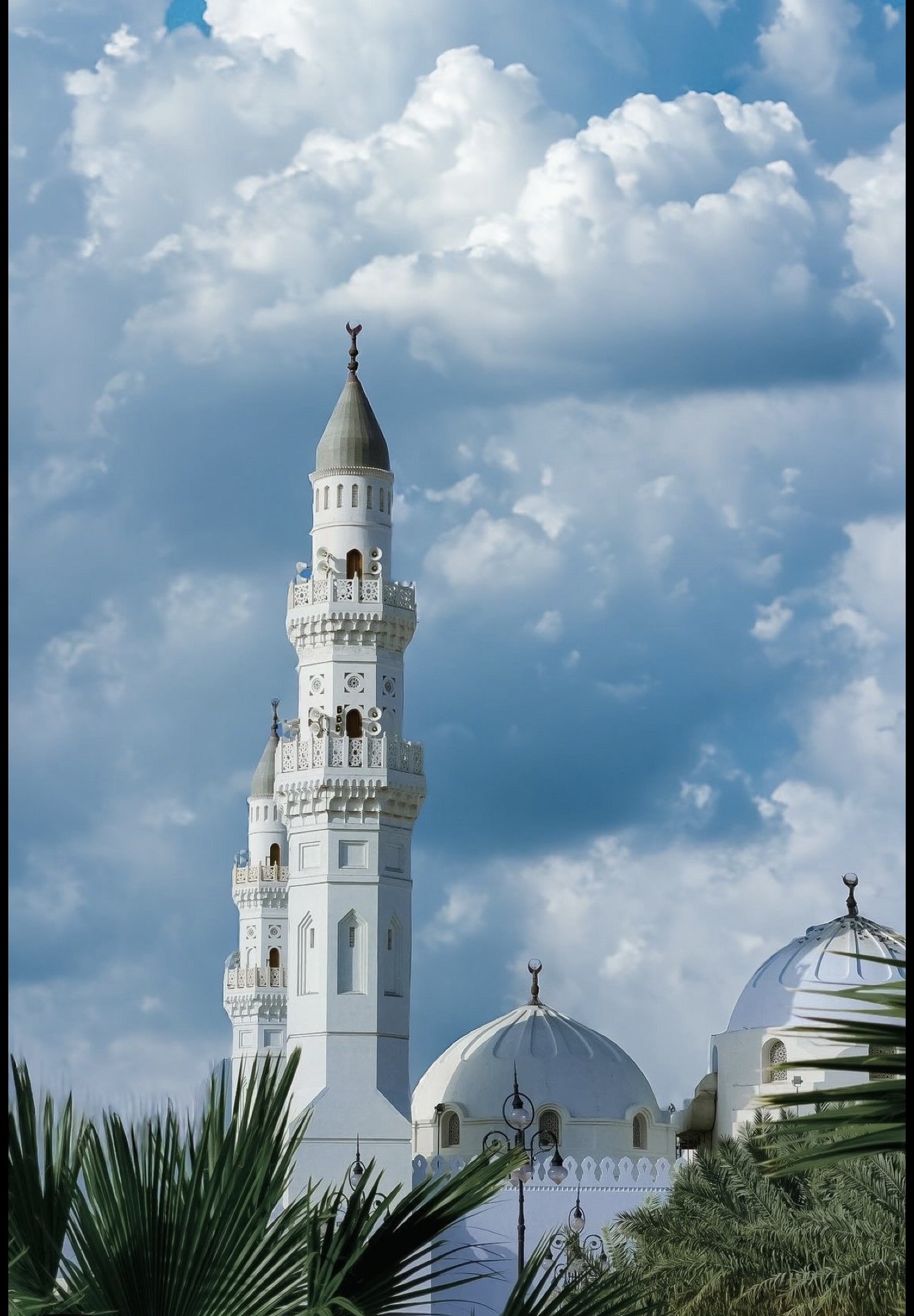
One of Madinah’s most significant landmarks and the first mosque established in Islam, Quba Mosque is closely connected to the Prophet’s ﷺ migration to Madinah and remains a cherished place of worship and visitation.
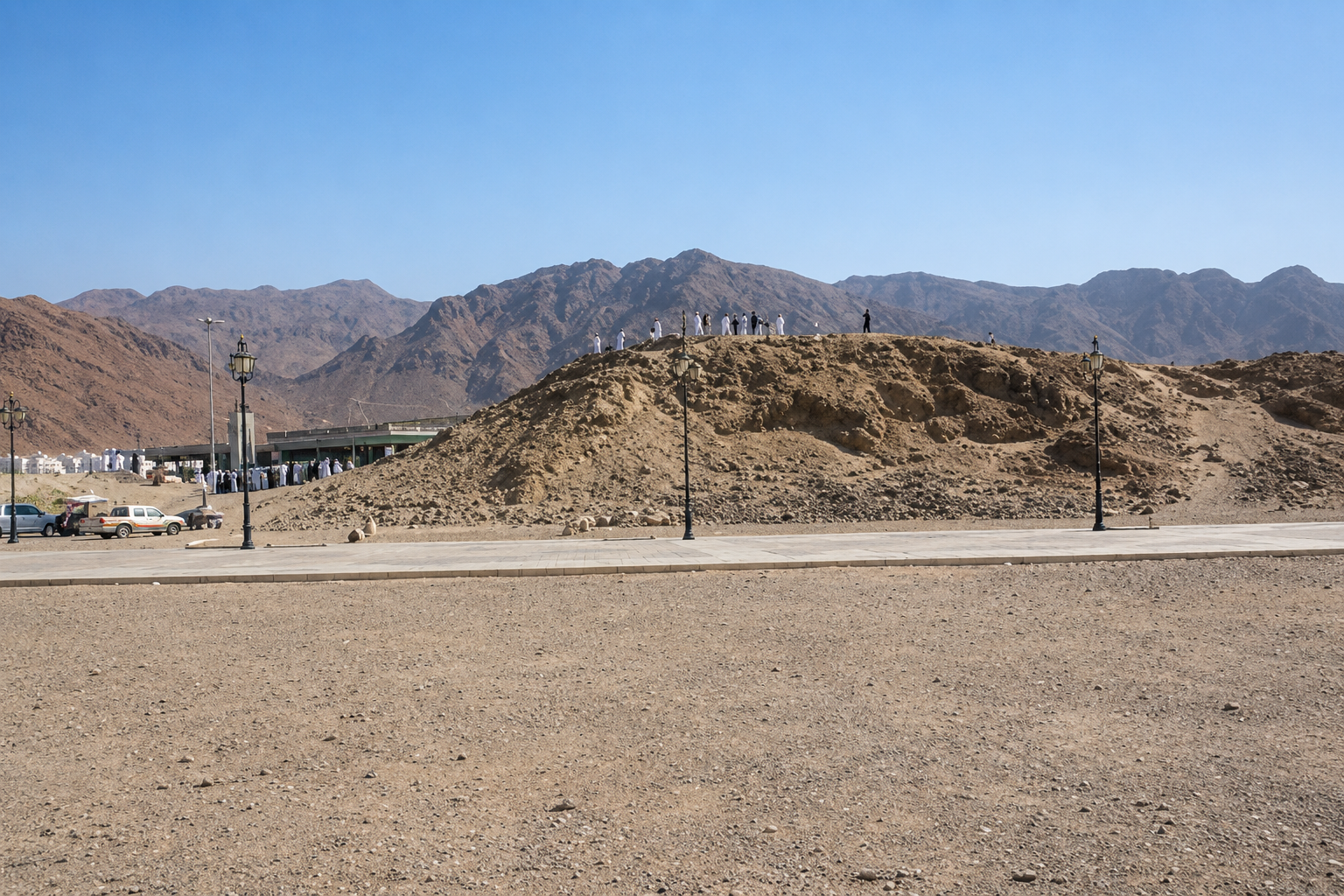
A historic site closely connected to the Battle of Uhud, where visitors can see the landscape and better understand the events of the Prophetic biography in their original setting
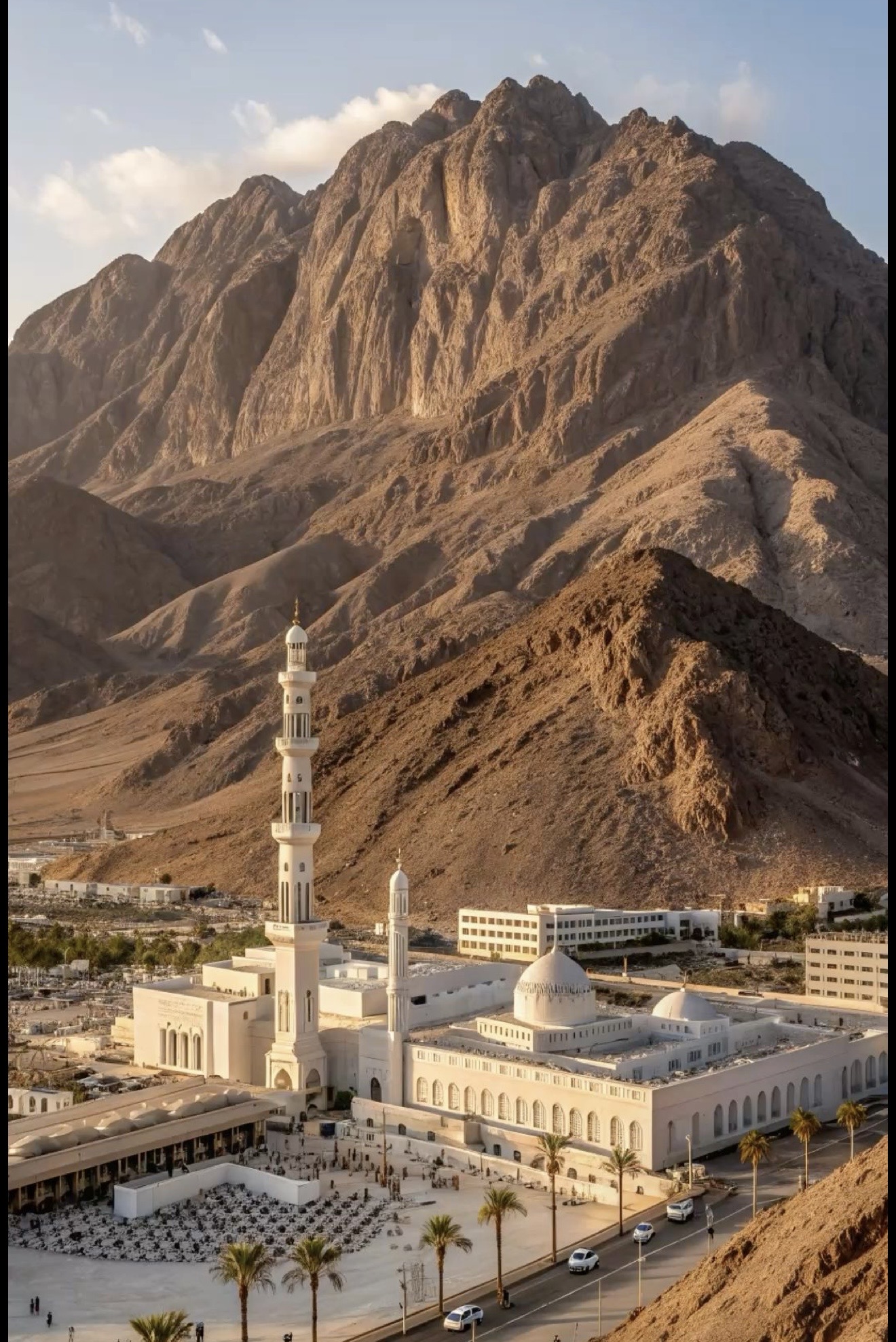
One of Madinah’s most iconic landmarks, Mount Uhud is deeply connected to the Prophetic biography and the Battle of Uhud, and was described by the Prophet ﷺ as a mountain that loves us and that we love.
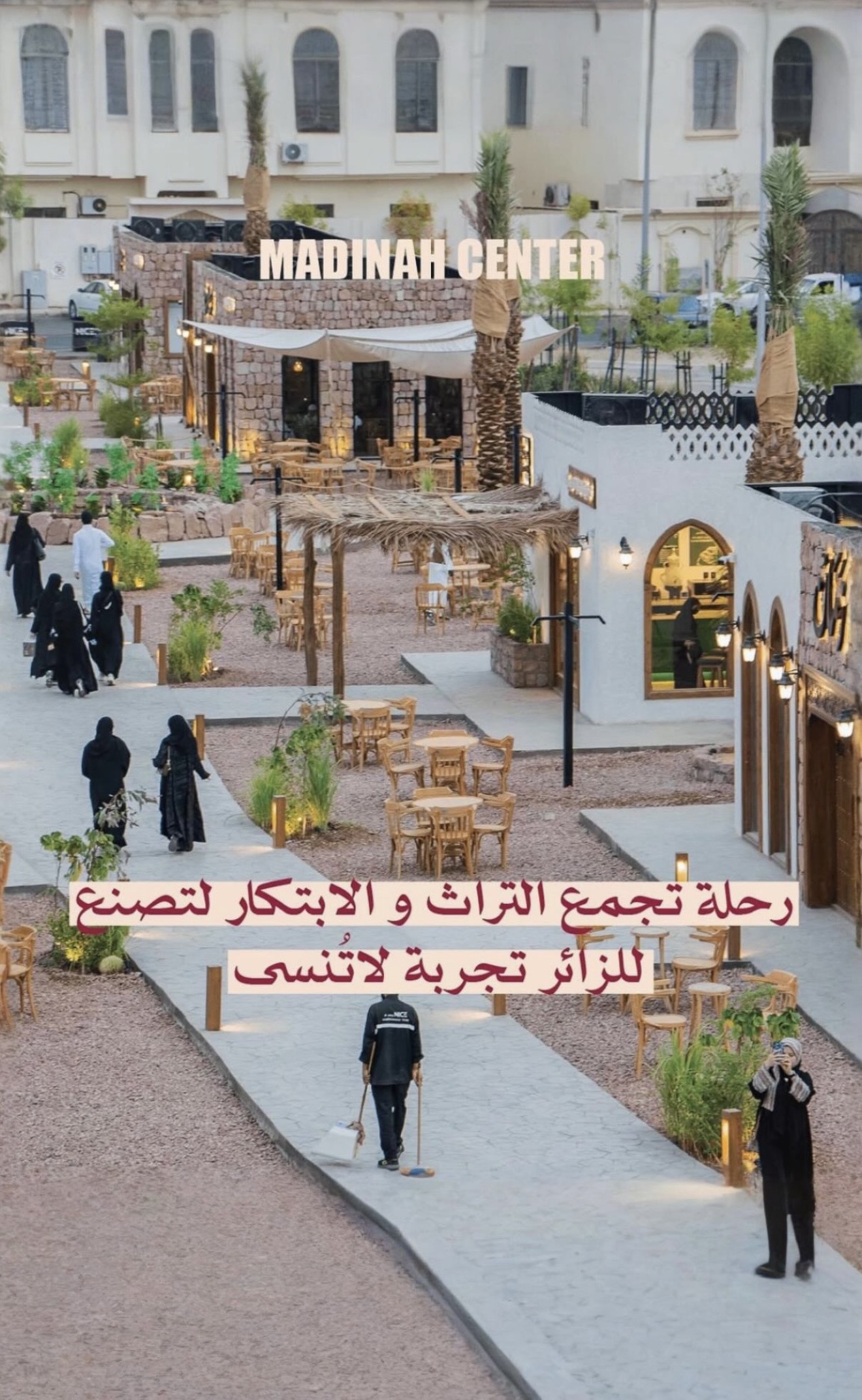
The lively district surrounding the Prophet’s Mosque, where Madinah’s atmosphere comes alive through its shops, restaurants, pedestrian streets and visitors from around the world.
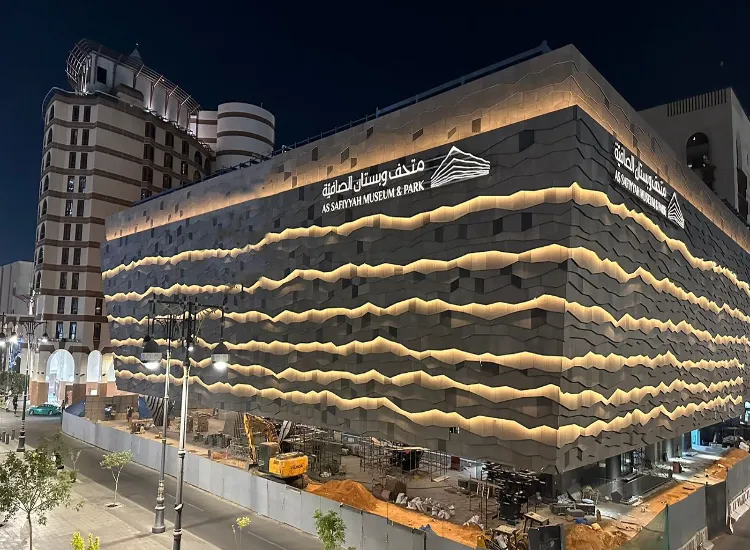
A cultural destination steps away from the Prophet’s Mosque, bringing together interactive museum experiences, a peaceful orchard, cafés and shops in a setting inspired by Madinah.
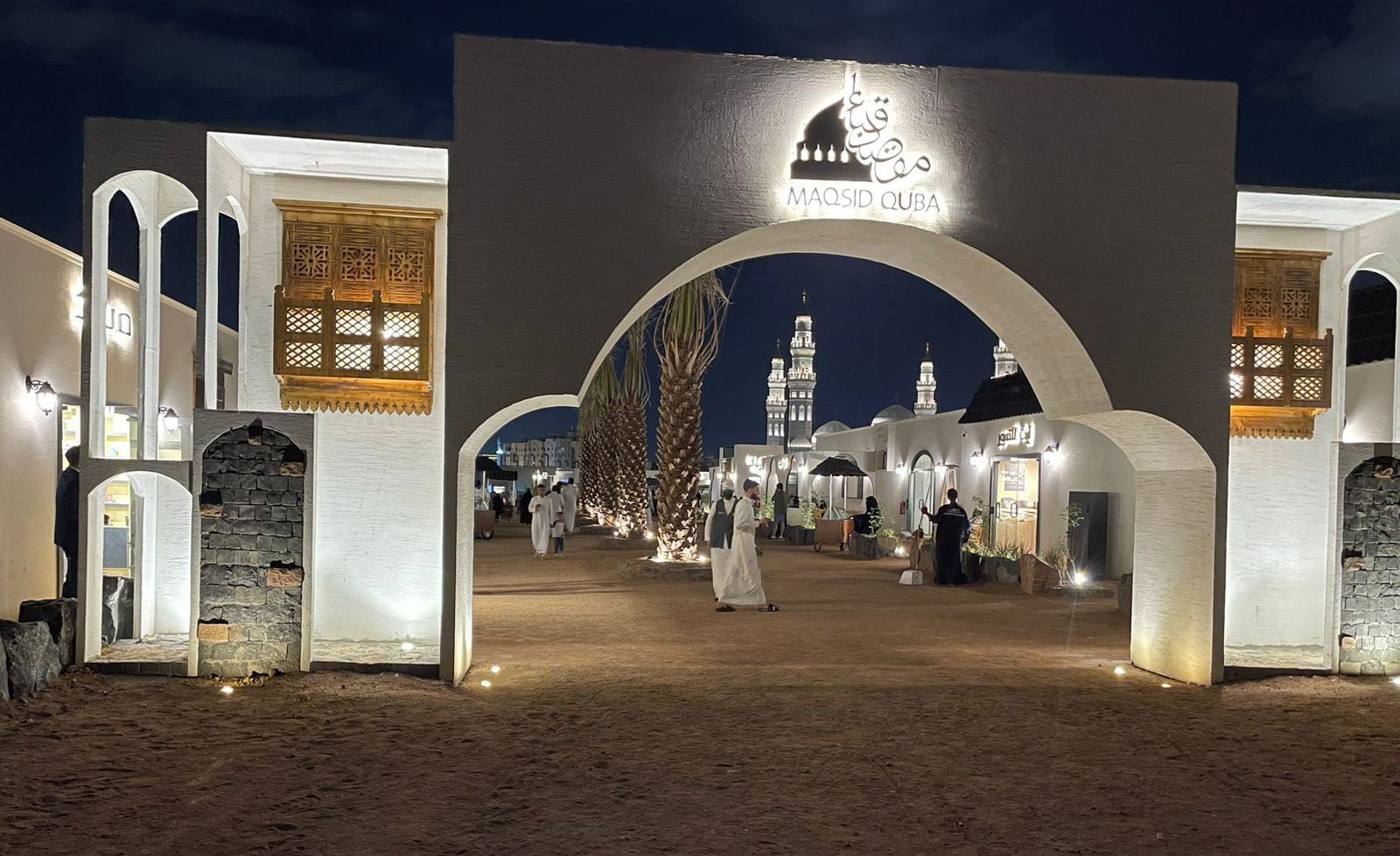
An open-air destination steps away from Quba Mosque, bringing together restaurants, cafés, shops and welcoming courtyards within architecture inspired by Madinah’s heritage.
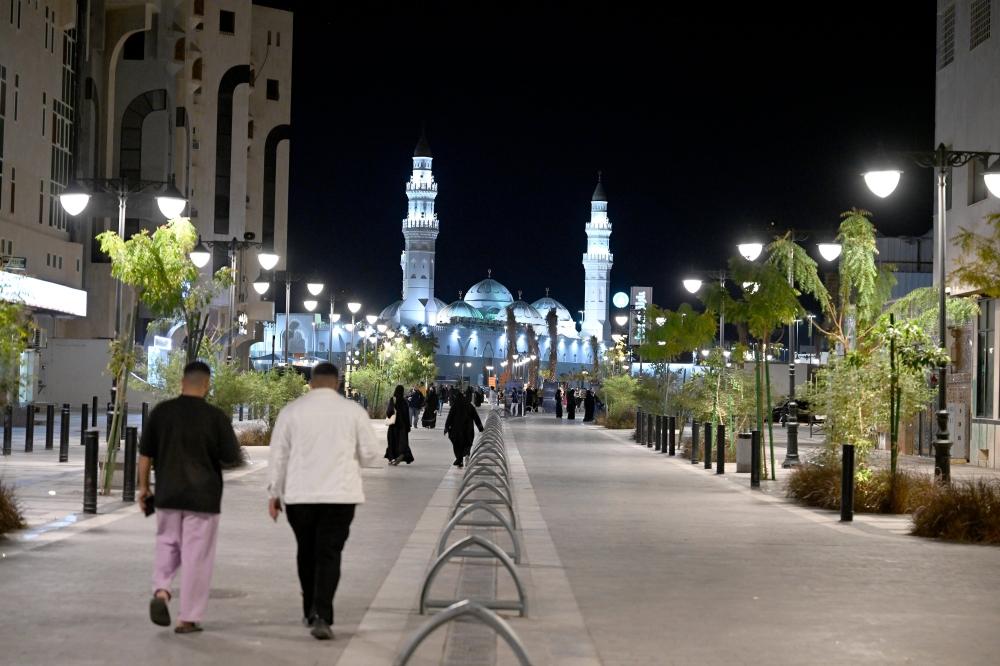
An urban promenade along the historic Quba Road, bringing together Madinah’s atmosphere, cafés, restaurants and shops while offering visitors a different way to explore the area on foot.
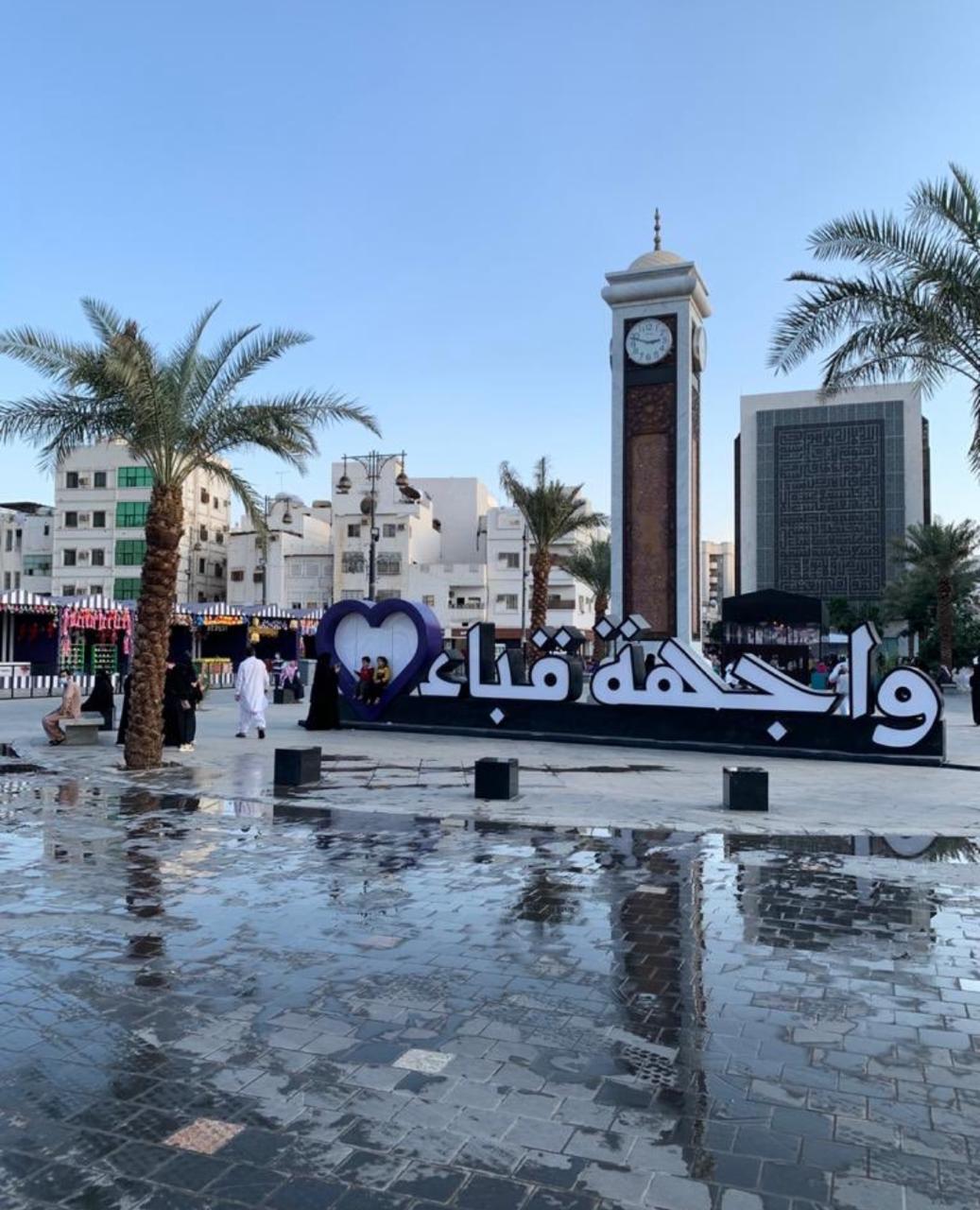
A lively point along the Quba trail, gathering walking, shopping and events in a setting that keeps the city's character.
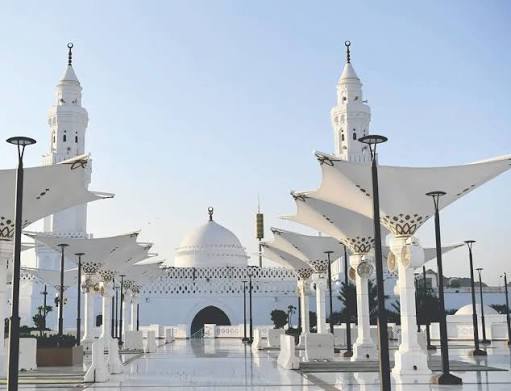
One of Madinah’s best-known historic mosques, associated with the momentous change of the Muslim qiblah from Jerusalem towards the Kaaba in Makkah.
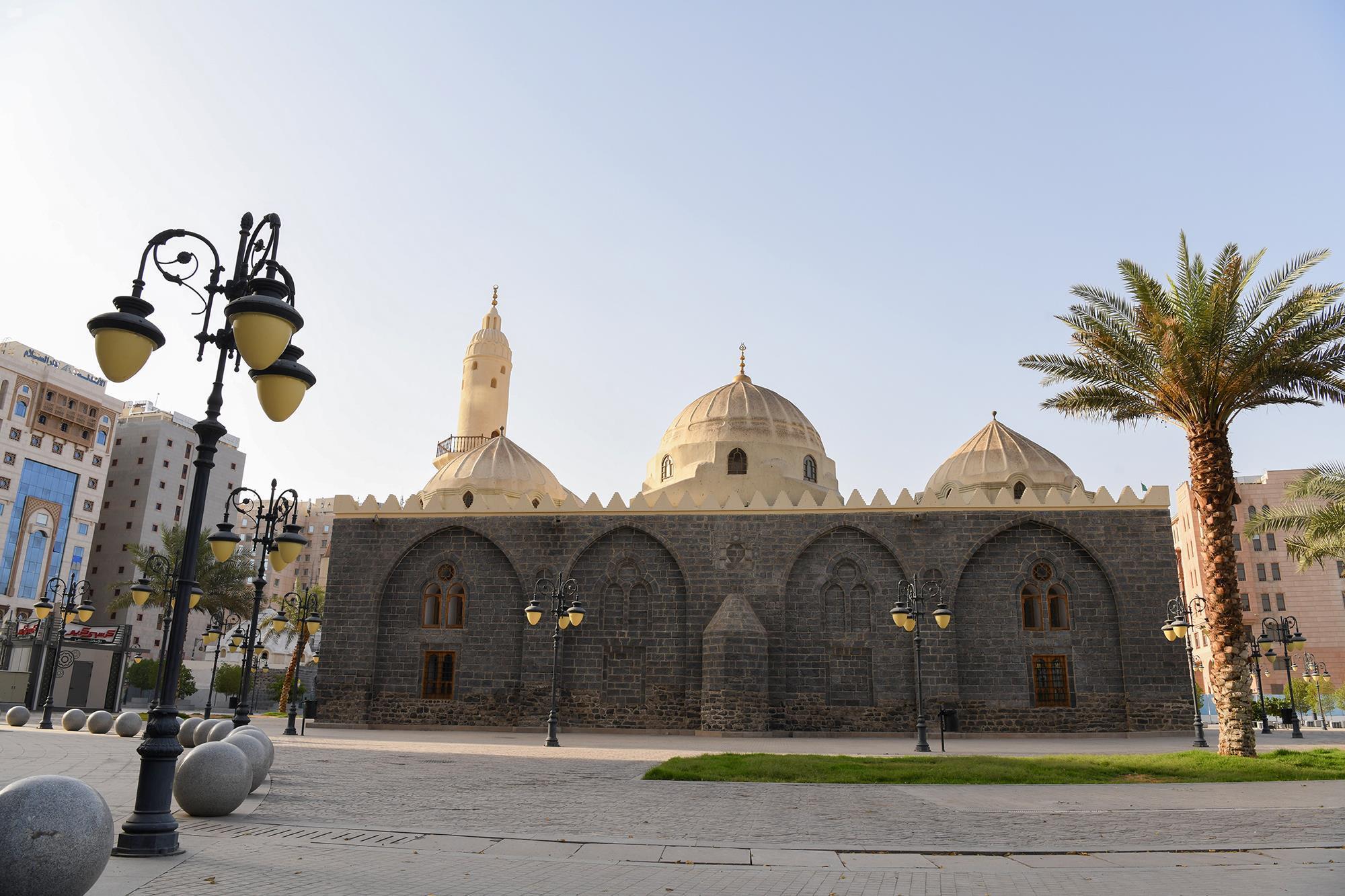
A historic mosque near the Prophet’s Mosque, associated with the musalla where the Prophet ﷺ performed the Eid and rain prayers, and distinguished today by its domes and striking architectural character.
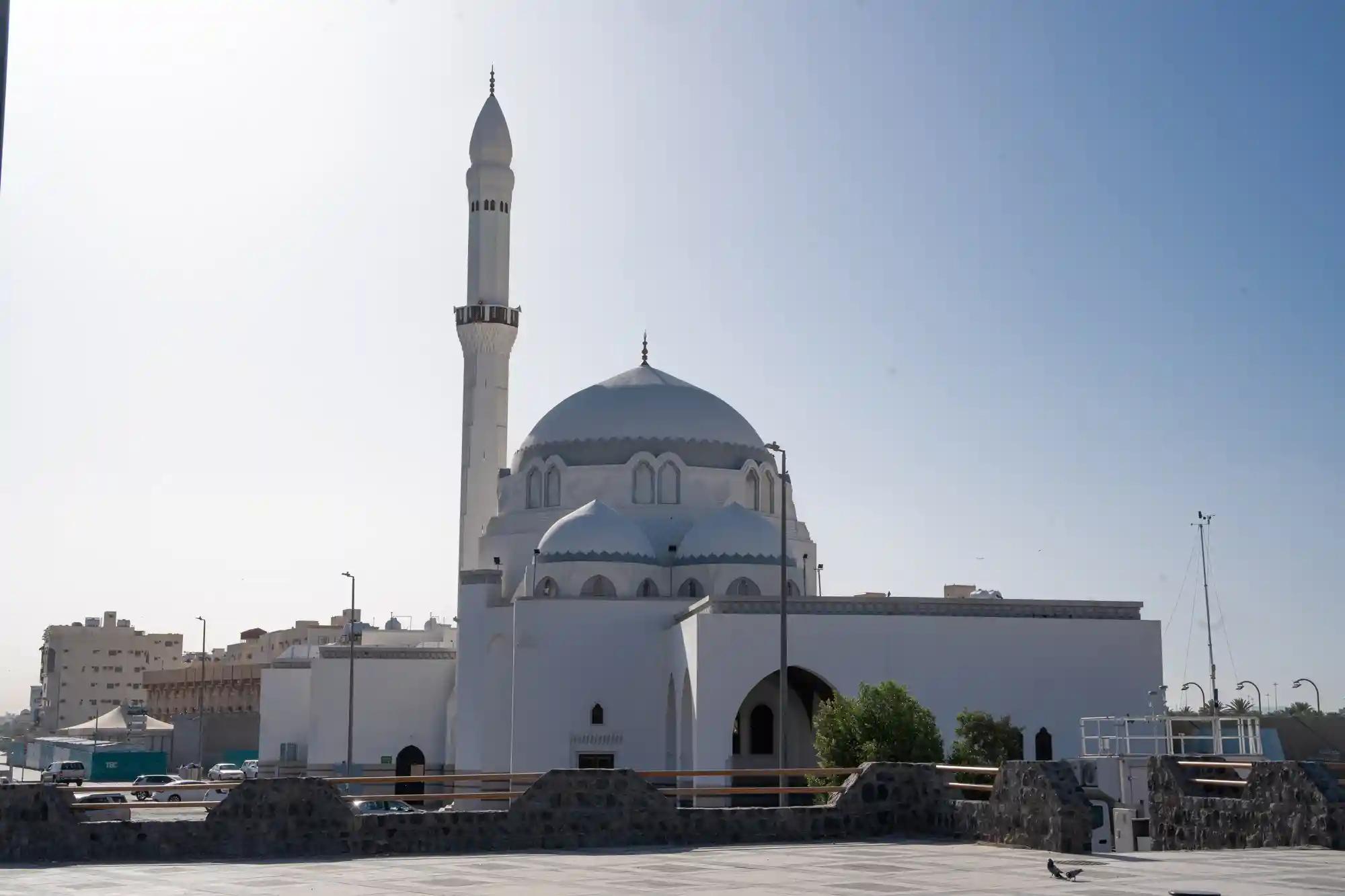
A historic mosque between Quba and central Madinah, associated with the site where the Prophet ﷺ performed his first Friday prayer after the Hijrah, marking an important moment in the beginning of the Madinan era.
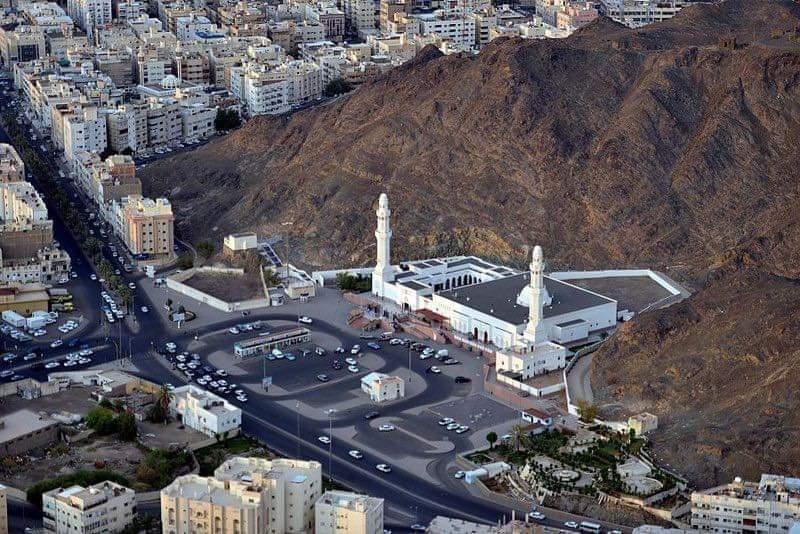
A historic area associated with the Battle of the Trench, one of the major events of the Prophetic biography, and home to the group of historic mosques known as the Seven Mosques.
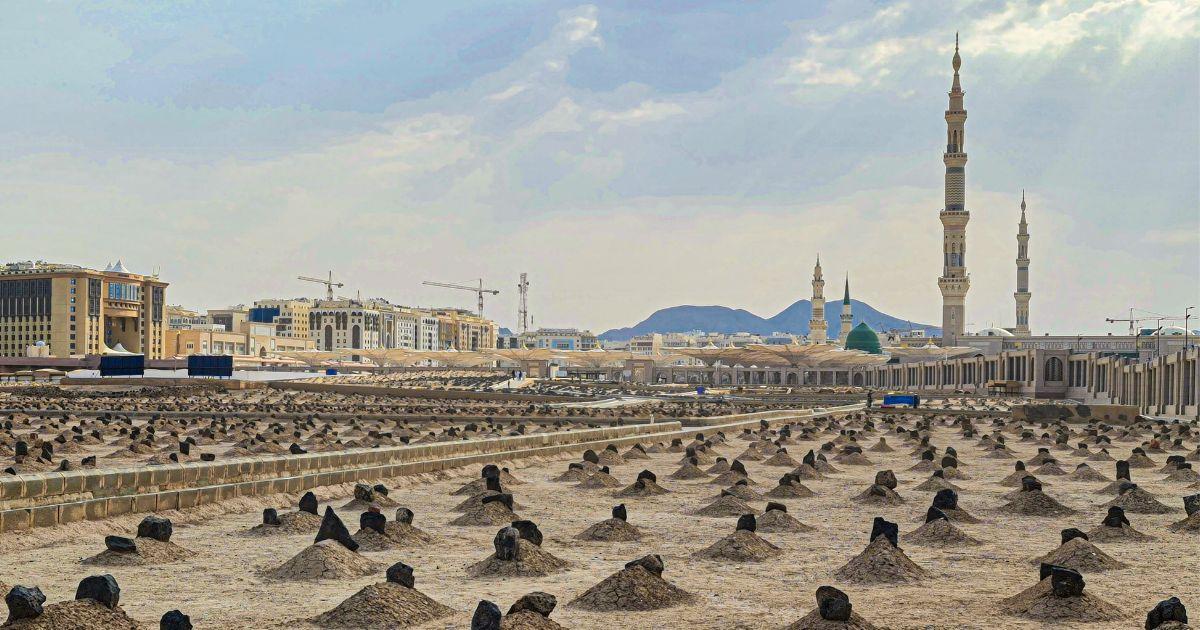
Madinah’s historic cemetery since the Prophetic era, where thousands of the Prophet’s ﷺ companions and members of his family were buried, located beside the Prophet’s Mosque.
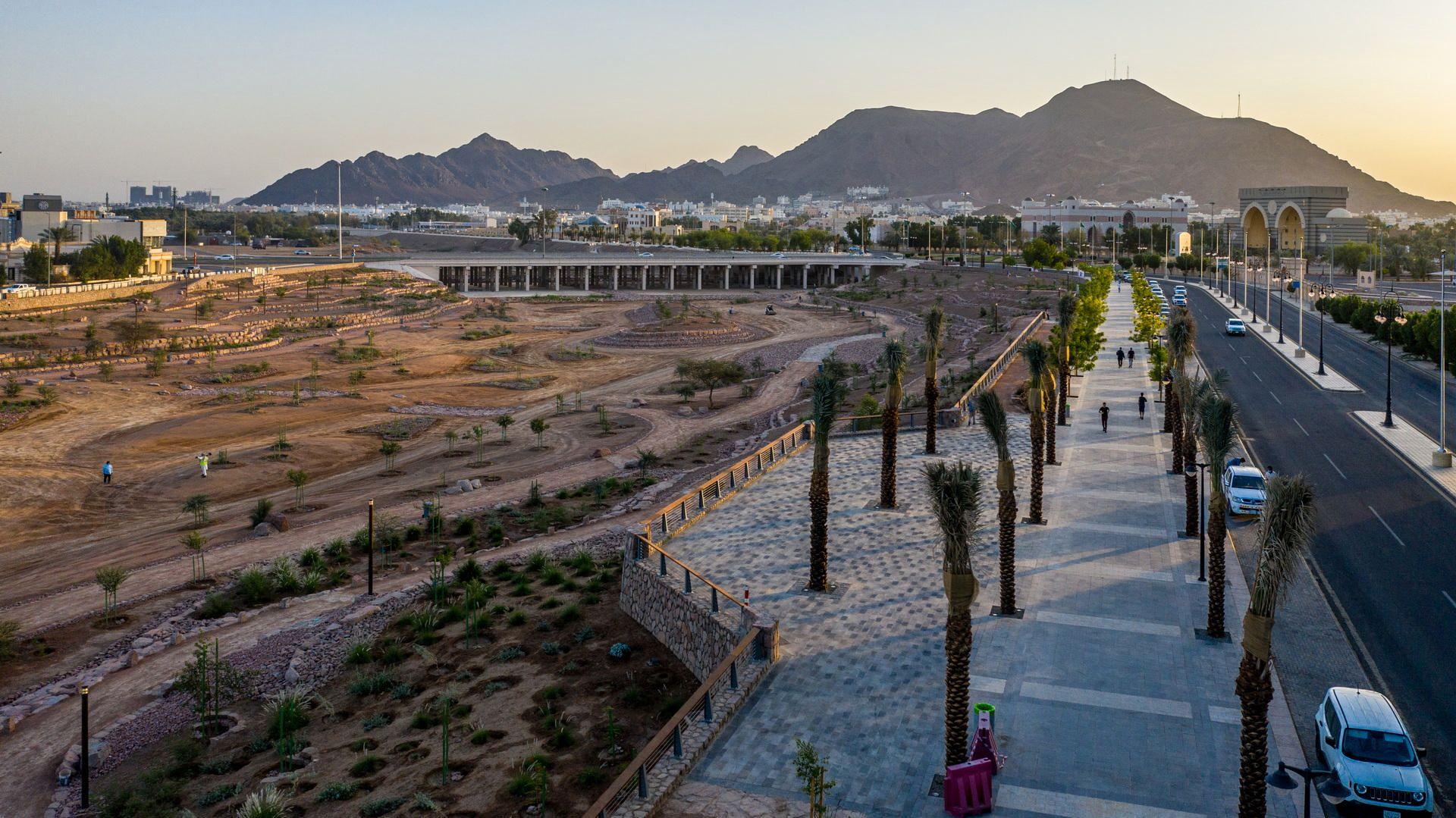
One of Madinah’s most renowned valleys, Al-Aqiq is connected to the Prophetic biography and was historically lined with gardens and residences. Today, it brings together nature, history and outdoor walking.
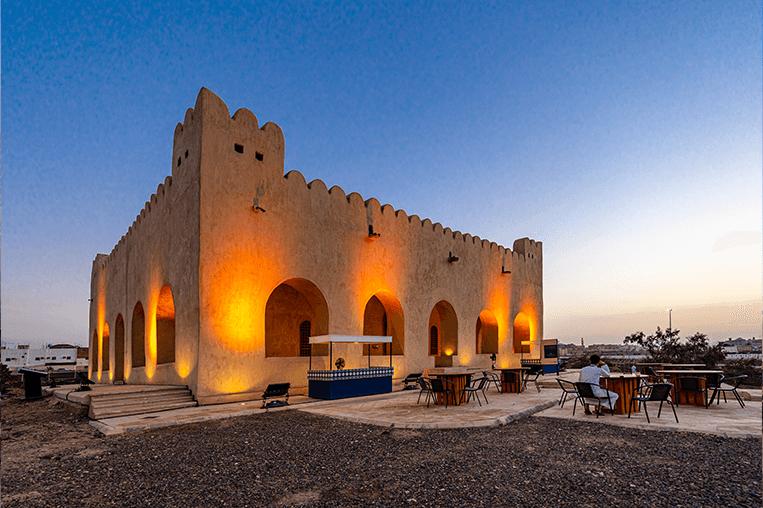
An archaeological landmark on the banks of Al-Aqiq Valley dating to the early Islamic period and associated with Urwah ibn Al-Zubayr, offering a glimpse into Madinah’s early architecture and everyday life.
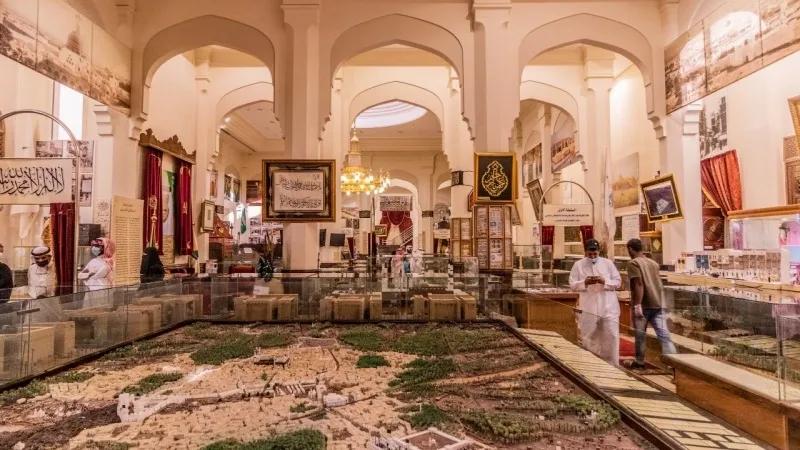
A museum dedicated to Madinah’s history, architecture and cultural heritage, using models, artefacts and displays to illustrate the city’s development across the centuries.
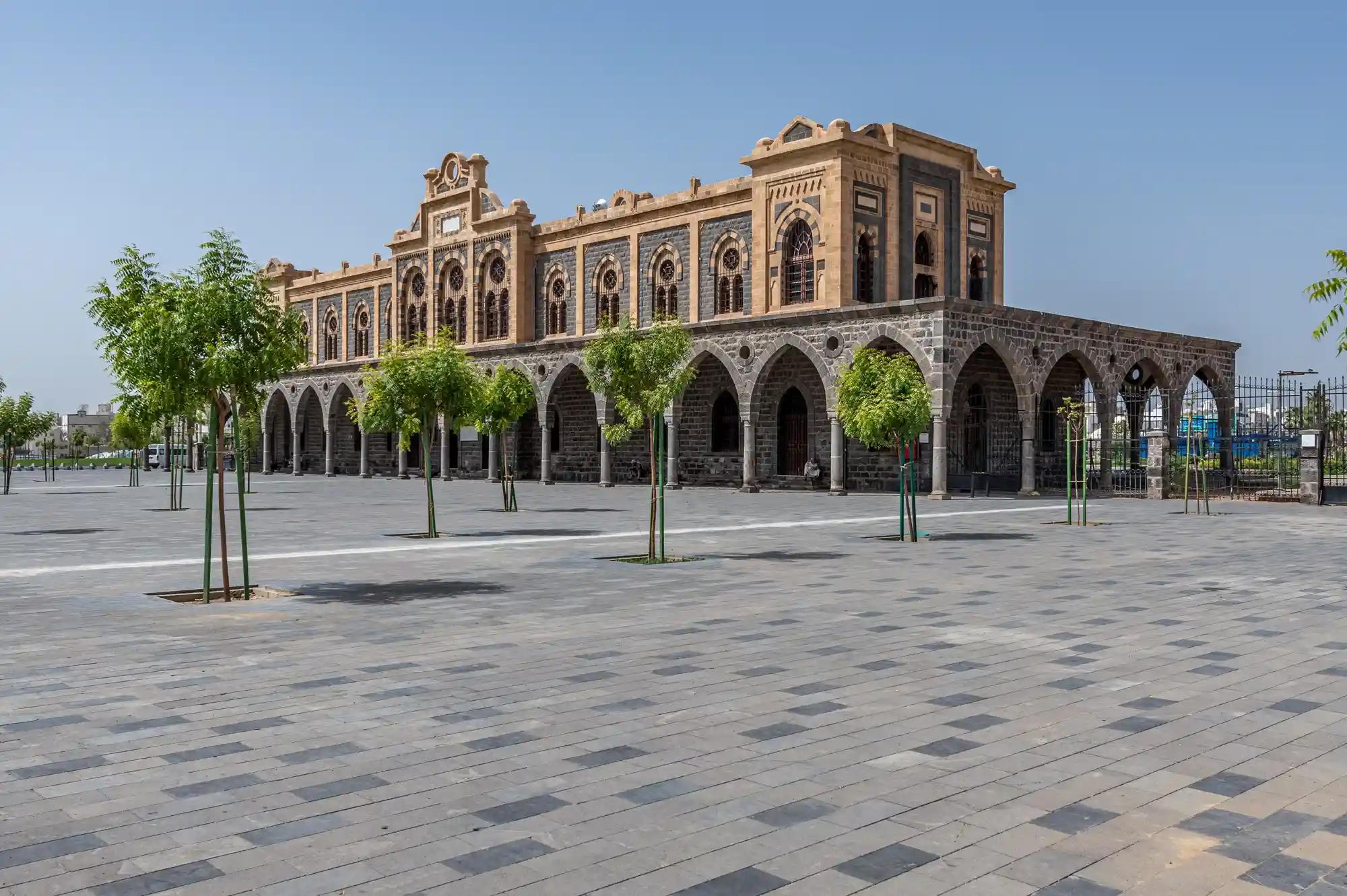
A historic railway station turned museum, telling the story of the Hejaz Railway that connected Madinah with Damascus in the early 20th century through preserved buildings, locomotives and historical exhibits.
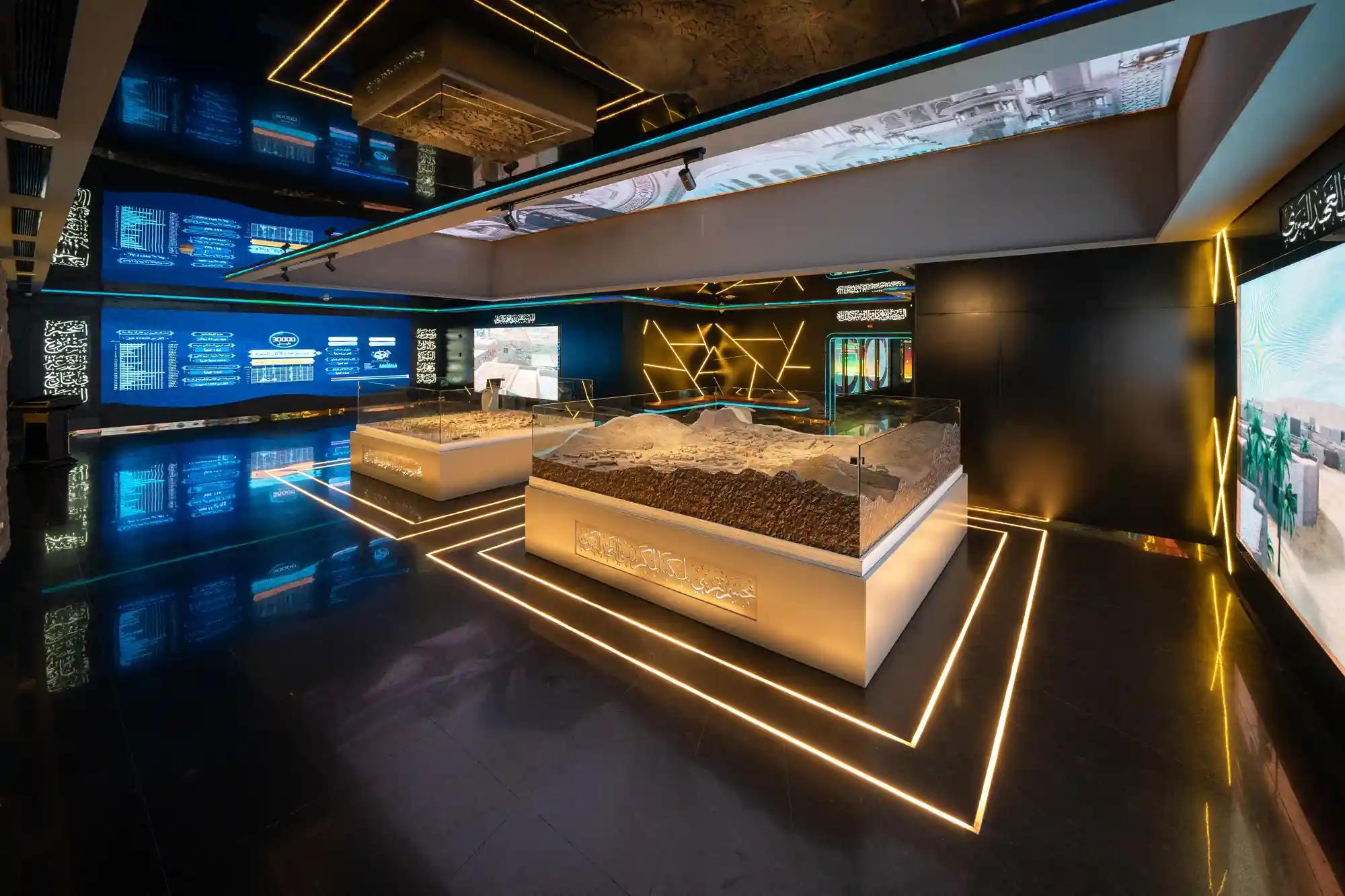
An immersive museum beside the Prophet’s Mosque, bringing the life of Prophet Muhammad ﷺ and Madinah during his era to life through interactive displays, detailed models, panoramic presentations and modern technology.
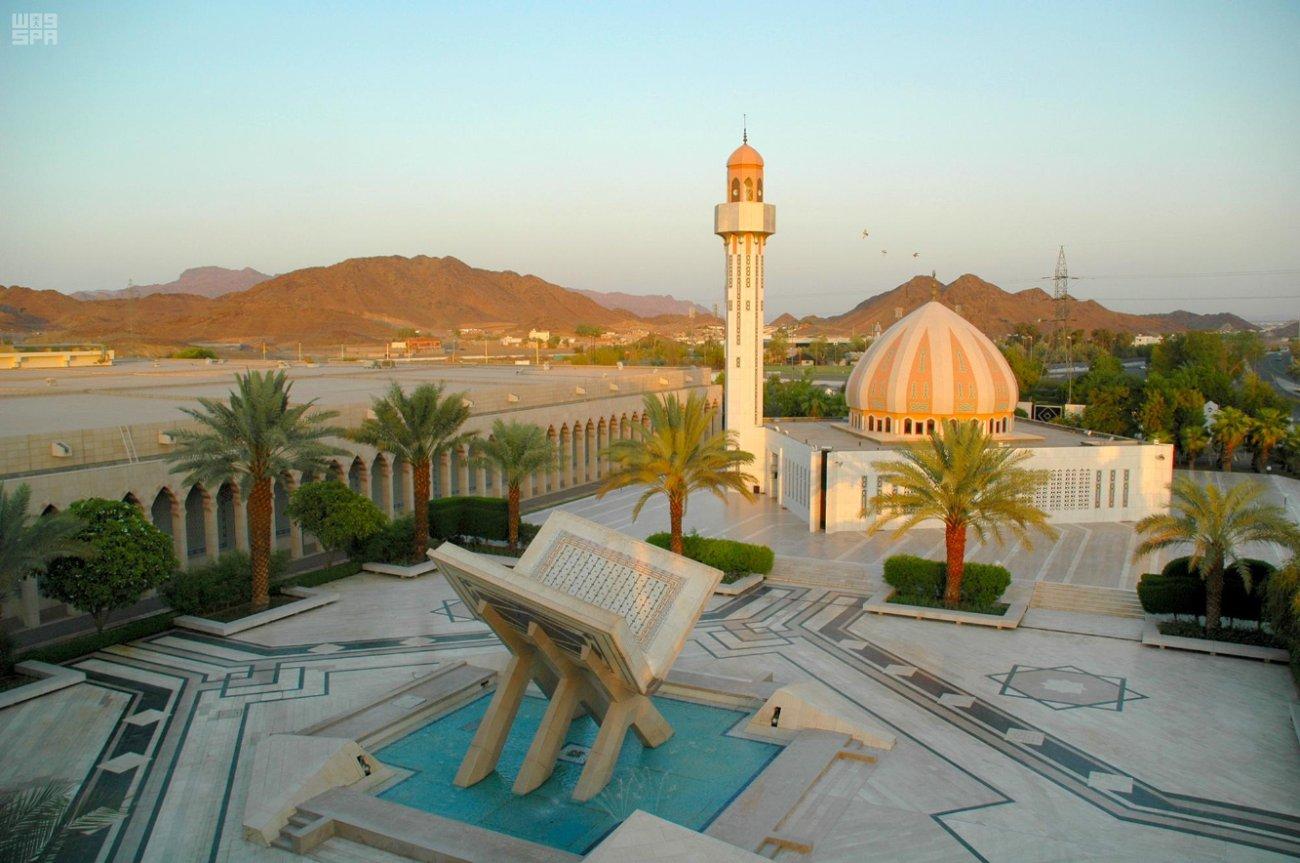
A landmark institution in Madinah dedicated to serving the Holy Qur’an, producing copies of the Mushaf, translations of its meanings and specialized editions distributed to Muslims around the world.
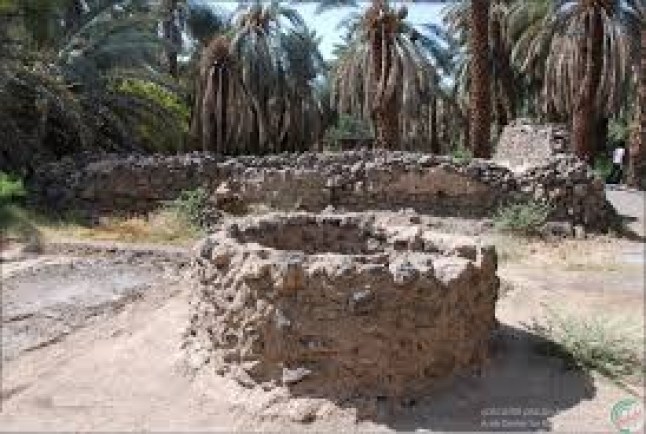
A historic well in Madinah associated with Uthman ibn Affan, who purchased it and made its water available to the Muslim community, creating one of the best-known stories of charitable endowment in Islamic history.
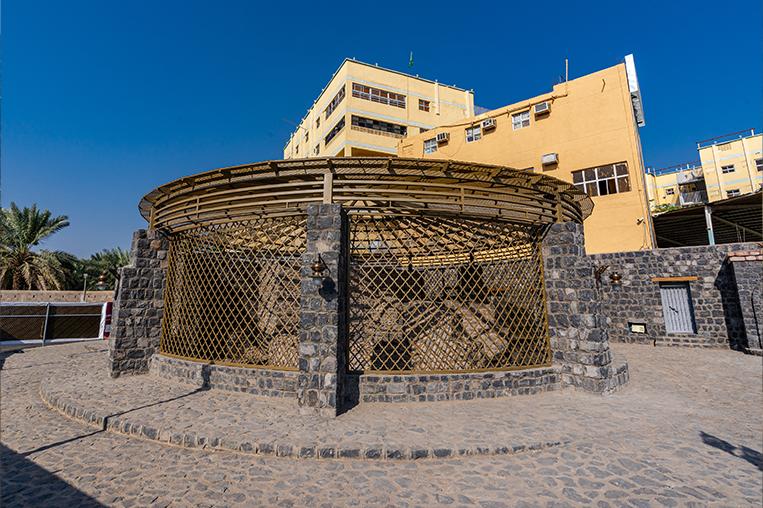
A historic well in the Quba area associated with the life of the Prophet ﷺ, preserving a glimpse into Madinah’s landscape and water sources during the Prophetic era.
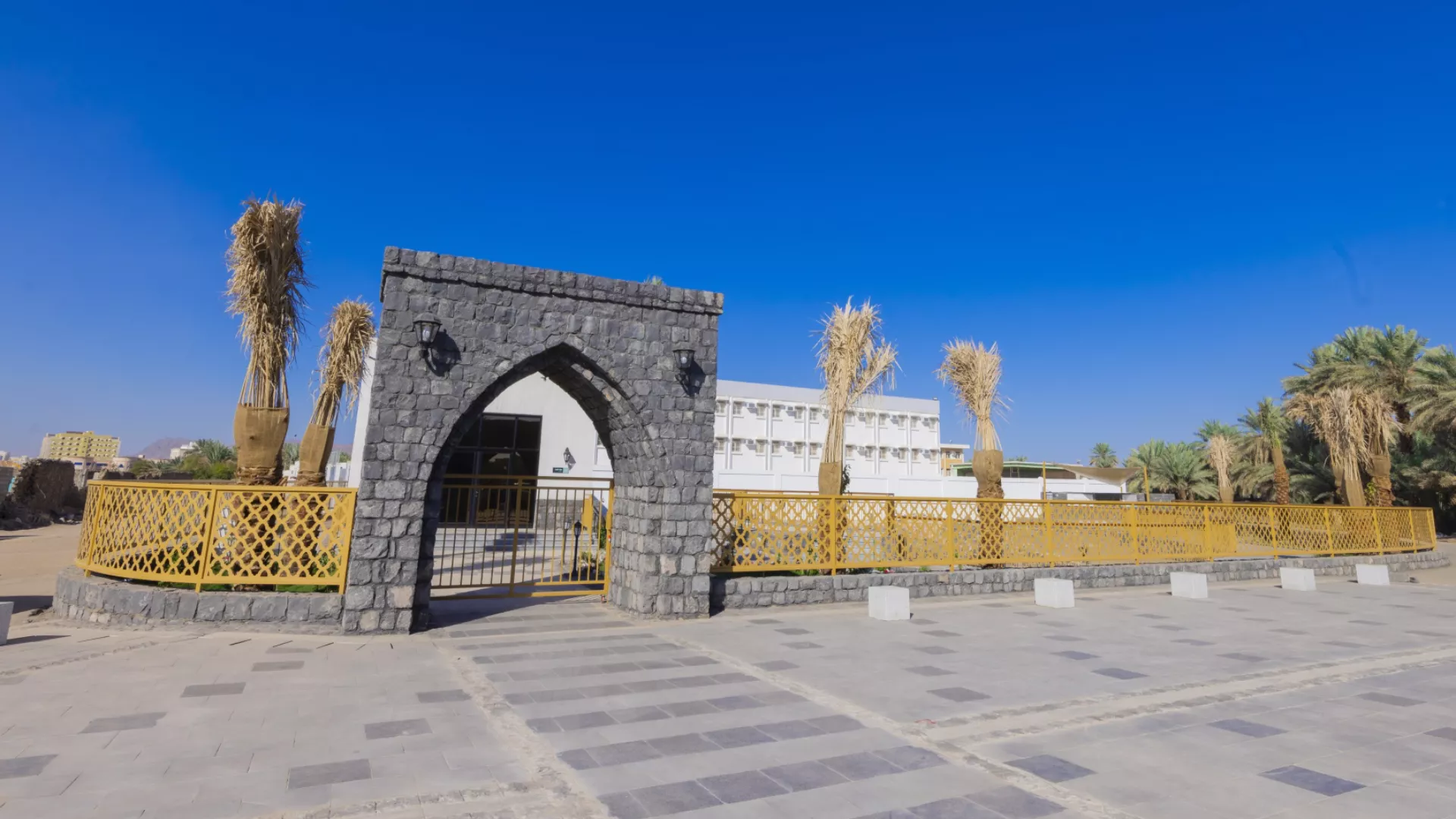
A historic well in Madinah’s Al-Aliyah area, associated with the story of Salman Al-Farsi and the orchard where the Prophet ﷺ planted date palms to help him fulfil the terms of his emancipation.
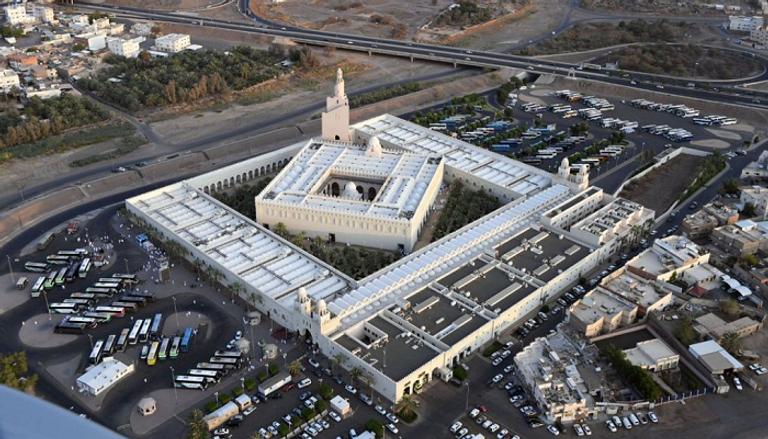
The designated miqat for the people of Madinah and those passing through it for Hajj or Umrah, located at Dhul Hulayfah where the Prophet ﷺ entered into Ihram.